From melting glaciers to rising floods, the climate crisis in South Asia affects nearly 2 billion lives. But hope lies in working together. This video brings powerful voices from across the region — experts, civil society, and leaders — calling for urgent regional cooperation through SAARC. Watch and share to join the movement for a safer, sustainable South Asia. It also features insights from the recent regional dialogue “Regional Cooperation for Climate Resilient South Asia: Role of SAARC, Civil Society and Youth”, held on April 22, 2025 in Kathmandu — a key event fostering cross-border collaboration and amplifying the role of youth and civil society.
COP29:The Baku Backslide

The 29th United Nations Climate Conference in Baku concluded with insufficient progress on critical issues such as climate finance and adaptation. While COP29 in Baku was supposed to pave the way for decisive climate action, it exposed the widening gap between promises and reality.
South Asia’s voices rose above the noise of geopolitics, calling for regional solidarity and climate resilience. This short film delves into South Asia’s call for urgent action, highlighting:
✅ The need for regional collaboration on air pollution
✅ The transition from fossil fuels to renewable energy
✅ Building resilience to climate-induced disasters
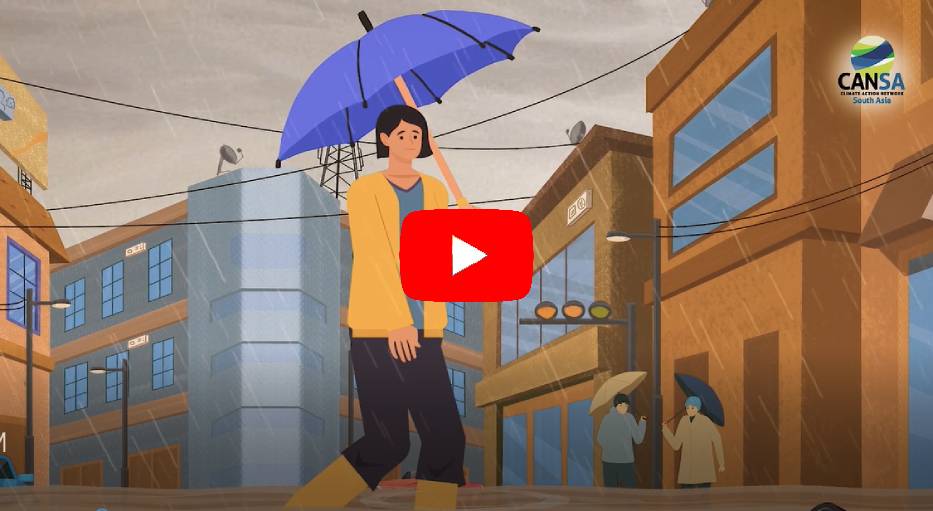
In the face of floods, heatwaves, and choking pollution, young Alia dares to imagine a different future. This inspirational short animation film follows her journey through a crumbling urban landscape—and into a new world of hope, resilience, and action. Guided by Kabir and supported by her community, Alia discovers how nature-based solutions can restore our cities, our climate, and our connection to each other. From rooftop gardens to mangrove plantations, from rainwater harvesting to solar lights—every step toward resilience begins with one person choosing to act. Watch now to see how working with nature can help us all breathe easier, live better, and build a future we deserve.
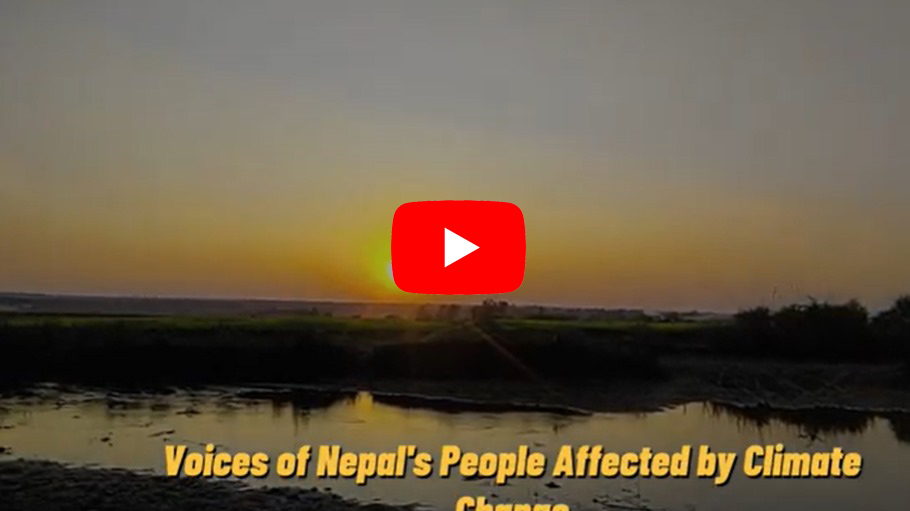
This short video documentary captures the plight of the local communities in Nepal, as well as their resilience and determination. Among those affected, women, children, and the elderly are among the most vulnerable to the impacts. Through the video, they also share a plea for hope and call upon the local authorities to call for the restoration and well-being of the vulnerable communities.
The climate crisis is, at its core, a water crisis. Our cities are facing extremes – unprecedented droughts and devastating floods – reshaping lives and landscapes across South Asia. “Floods and the Cities” is a powerful look at the rising water challenges facing millions as climate change accelerates. From Dhaka’s flash floods to Karachi’s recurrent damage, this film highlights the resilience and determination of South Asian cities as they adapt, survive, and fight for a sustainable future.

Breathless: South Asia’s Fight against Air
Pollution
Scorching Reality: South Asia’s Heatwave Crisis
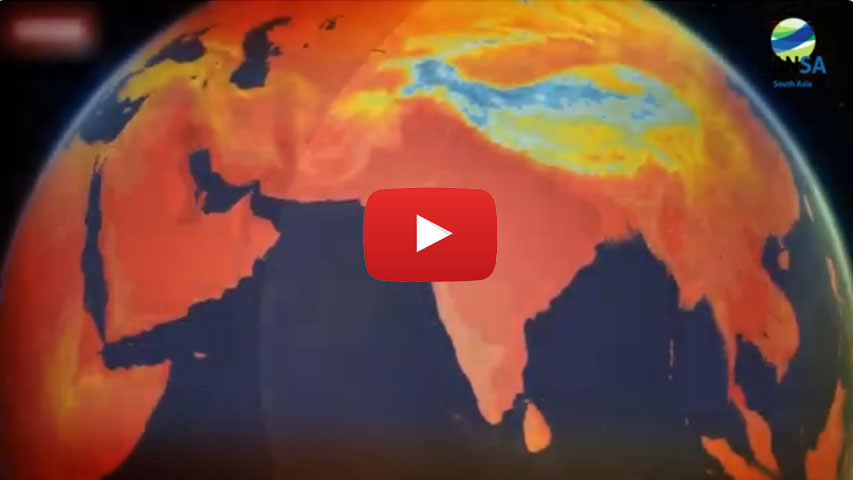
The film aims to highlight the severe air pollution crisis in South Asia, its health impacts, and the urgent need for a transition from fossil fuels to cleaner alternatives. It emphasises the importance of regional cooperation, public health advocacy, and policy changes to combat air pollution and climate change effectively. And the leadership role that CANSA has been playing in enabling regional cooperation, advocacy for clean air and building climate resilience, with special focus on poor and vulnerable city dwellers, and migrants in South Asia.
In the scorching summer of 2024, South Asia faced a heatwave crisis of unprecedented scale. Cities across the region, already overcrowded and unprepared, saw record-breaking temperatures that shattered lives and strained resources. From Dhaka’s sweltering streets to Karachi’s blistering heat, and Delhi’s heatstroke deaths, the impact on over 650 million people was devastating. This film explores the severe effects on ecosystems, economies, and vulnerable communities, revealing the urgent need for effective climate action, and the critical steps needed to combat this escalating crisis.
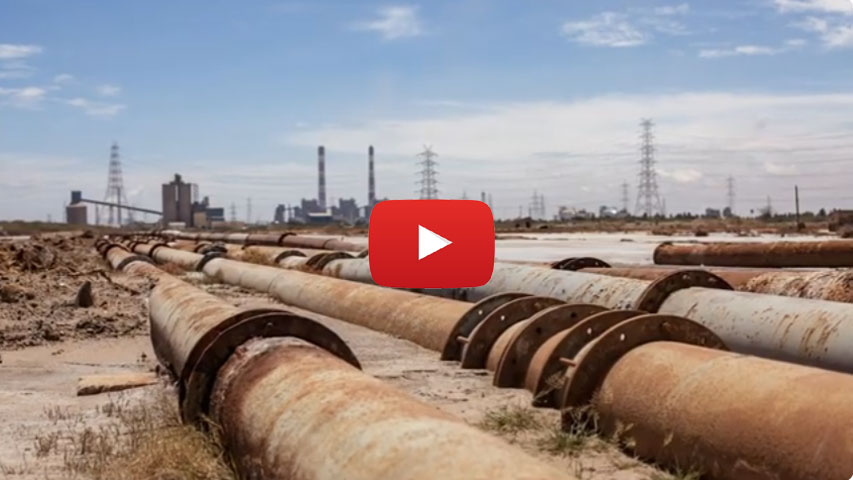
Indigenous Communities, Fossil Fuels & Health
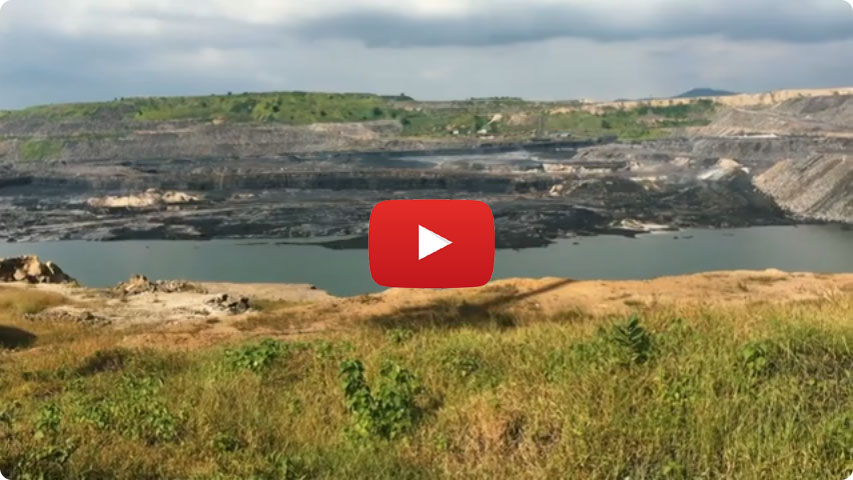
Indigenous Communities, Fossil Fuels & Health
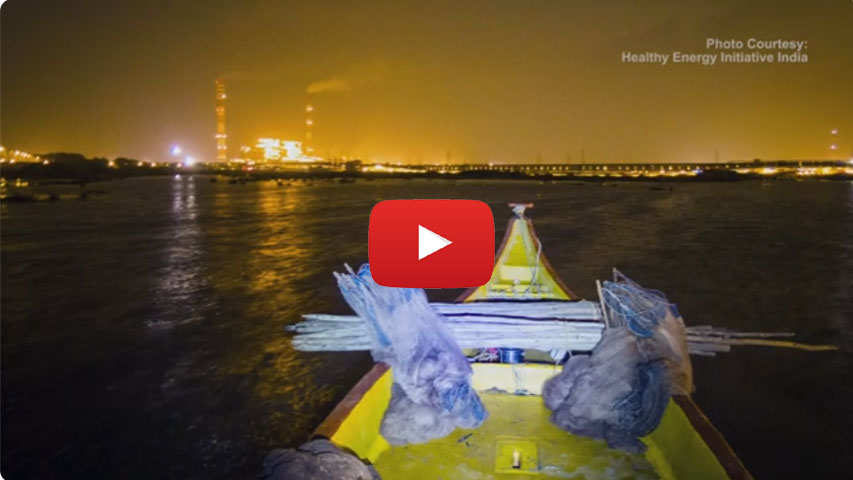
Indigenous Communities, Fossil Fuels & Health

Climate Change Adaptation in Siraha District and Udayapur
100% Renewable Energy Multi Partner Actors – Nakul Sharma
आँखीझ्याल–१२२७ (अनुकुलनका लागि प्रविधी) |
Aankhijhyal-1227

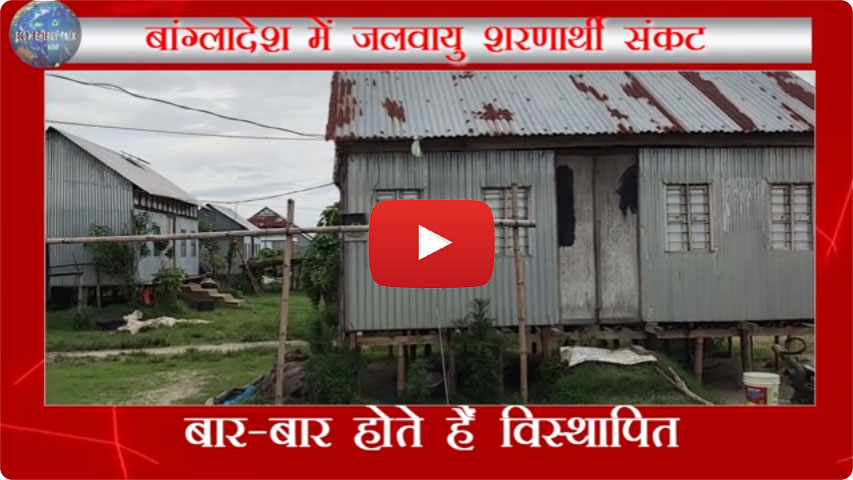
A danger that also lurks on India? बांग्लादेश का संकट जो पहुंच सकता है भारत?
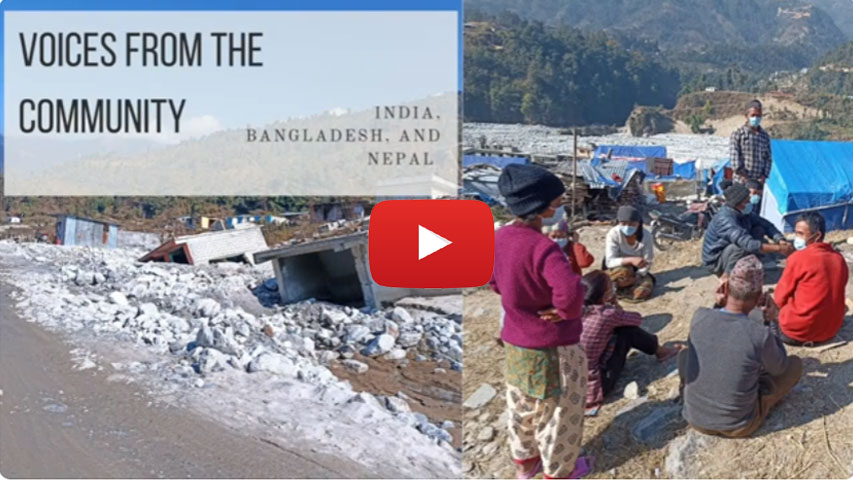
Voices from the Community – India, Bangladesh and Nepal
Early Warning Systems in Nepal
At least 175 lives are lost every year due to floods in Nepal. The economic losses to the Himalayan country due to floods are pegged at $140 million and damage to assets is at 1.4% of GDP.
For those living in Nangapur village in Nepal, living with floods is an everyday reality. The Karnali, a major river in Nepal, deluges hundreds of villages in Nepal, and people in the lower Karnali basin area, can’t sleep in the monsoon, due to fear of the gushing waters washing them away with their homes.
Ever since the installation of early warning systems along all river basins the situation has considerably improved – many lives have been saved and loss and damage to property reduced.
Alternative livelihoods combat climate change
Climate change has badly affected agriculture-based livelihoods in the Himalayan state of Uttarakhand of India. Agriculture is becoming increasingly difficult in the Himalayan slopes, but farmers are responding with the spirit of resilience and enterprise.
Local communities have resorted to alternate livelihoods and combat future impacts of climate change. These include quail farming, mushroom cultivation, bee-keeping, and choosing climate-resilient species, as a means of income livelihood to people, and reverse the trend of migration from the hills.
Local water conservation restores livelihood

Depleting water resources in the Himalayan state of Uttarakhand in India, are causing agriculture and drinking water problem and aggravating forest fires.
Climate change is causing depleting and drying up of water sources. Recharging the water sources -lakes, springs – in the simplest and low-cost method by building trenches that hold and recharge the water aquifers has been adopted. It has solved water shortages for drinking and agriculture and also reduced forest fires. The locals from Pata village have also planted trees that hold water.
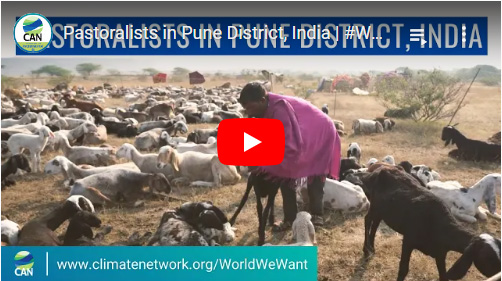
Pastoral communities in India and climate change
Recycling: Climate solution for reducing dependency on fossil fuels
Sustainable Agriculture as a Climate Solution in Himachal Pradesh, India
Rising Sea Levels Islands of Uist, Scotland

Bushfires in Australia

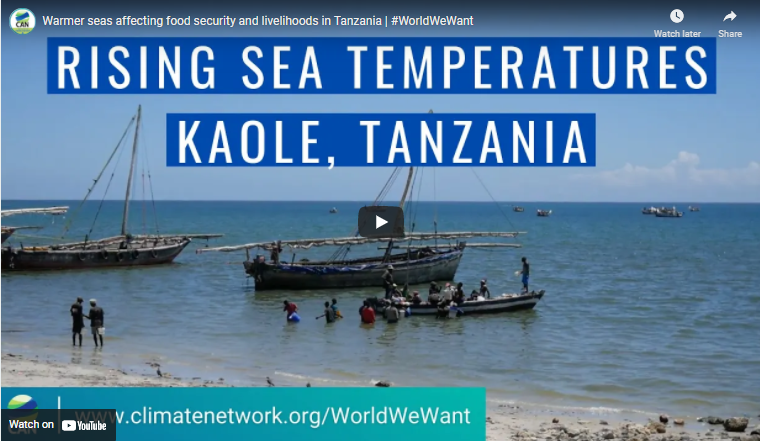
Rising Sea Temperatures Kaole, Tanzania
Youth and Children Environment Rights –
Fundamental of GC26