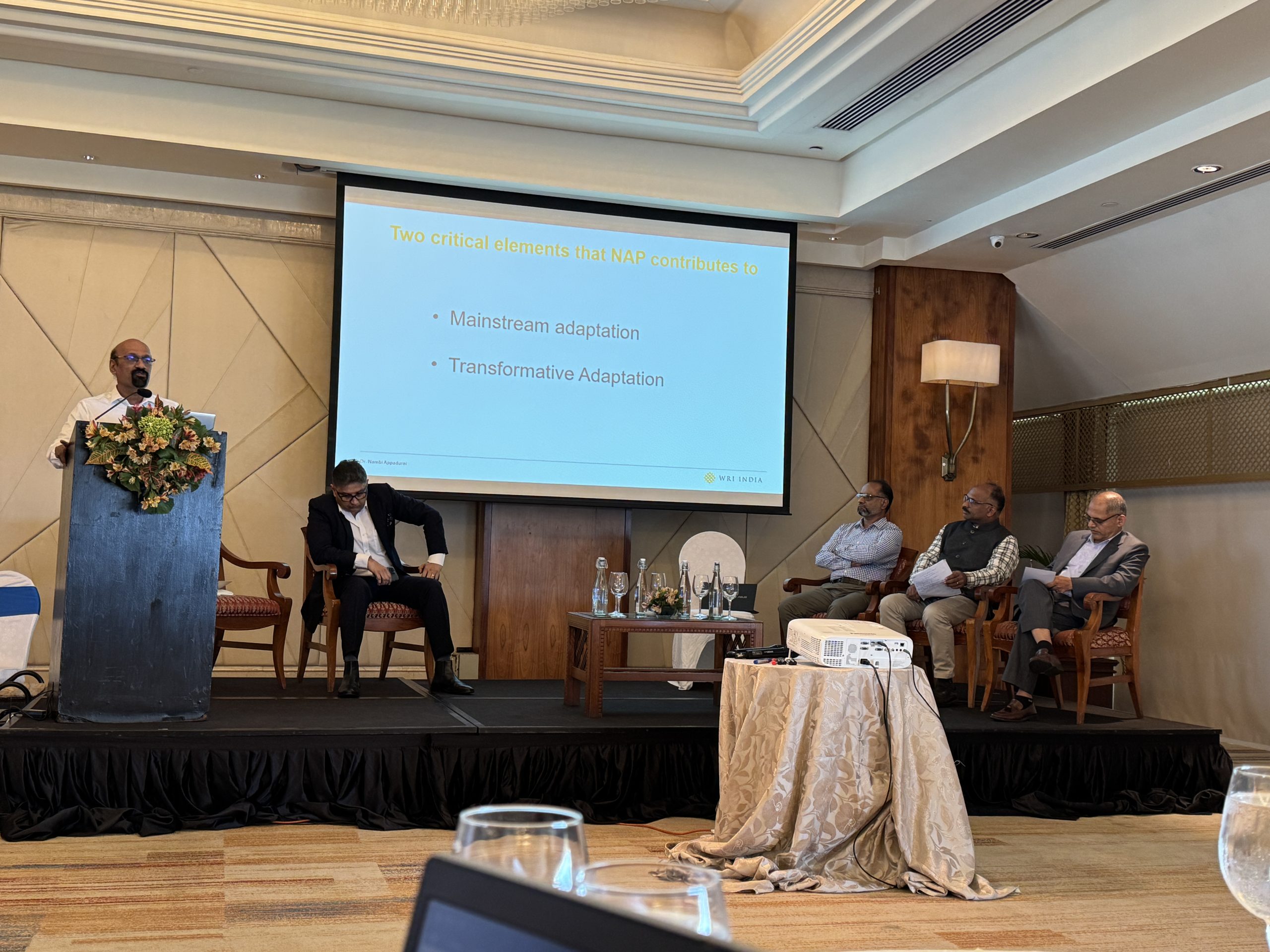
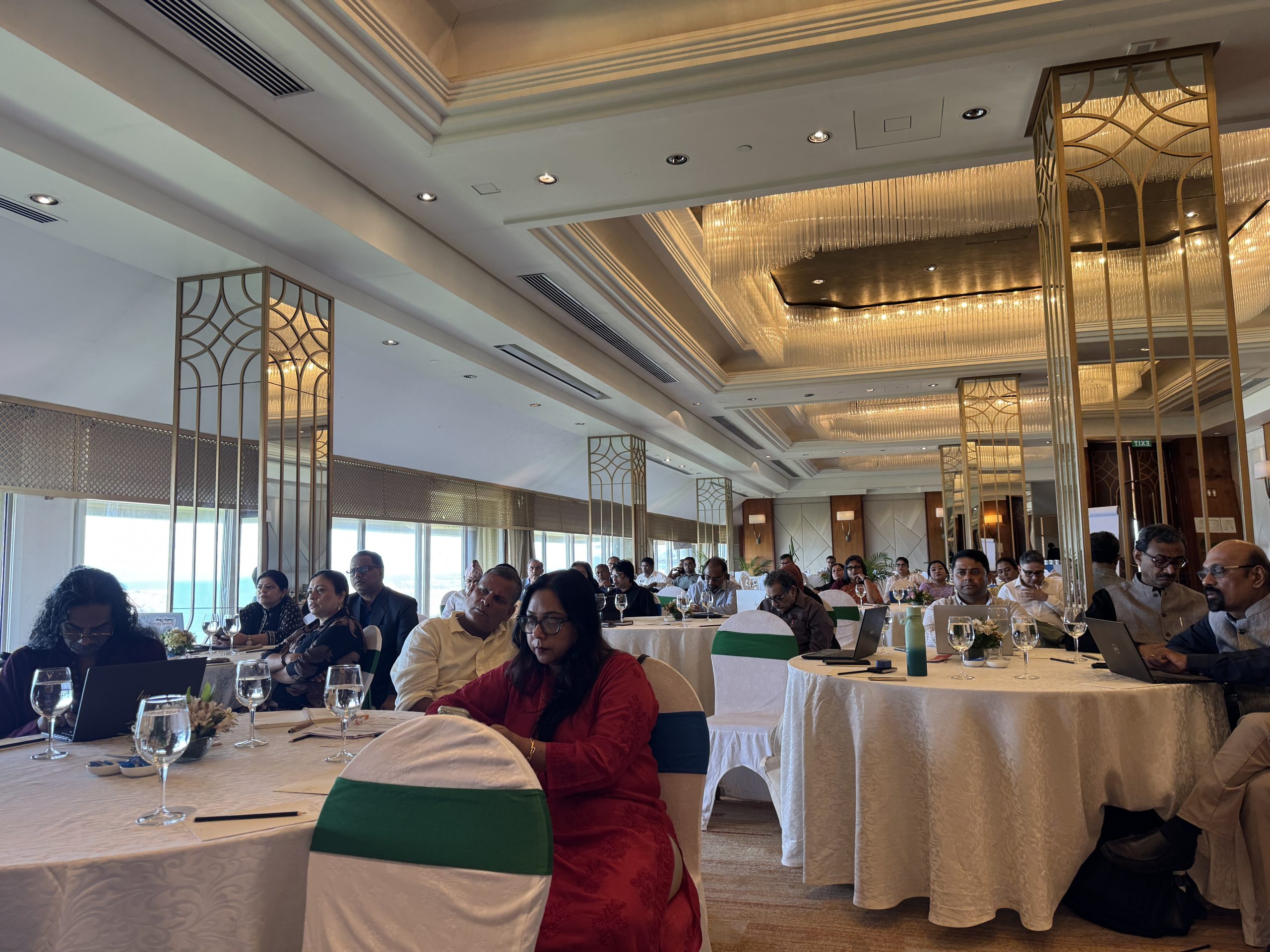
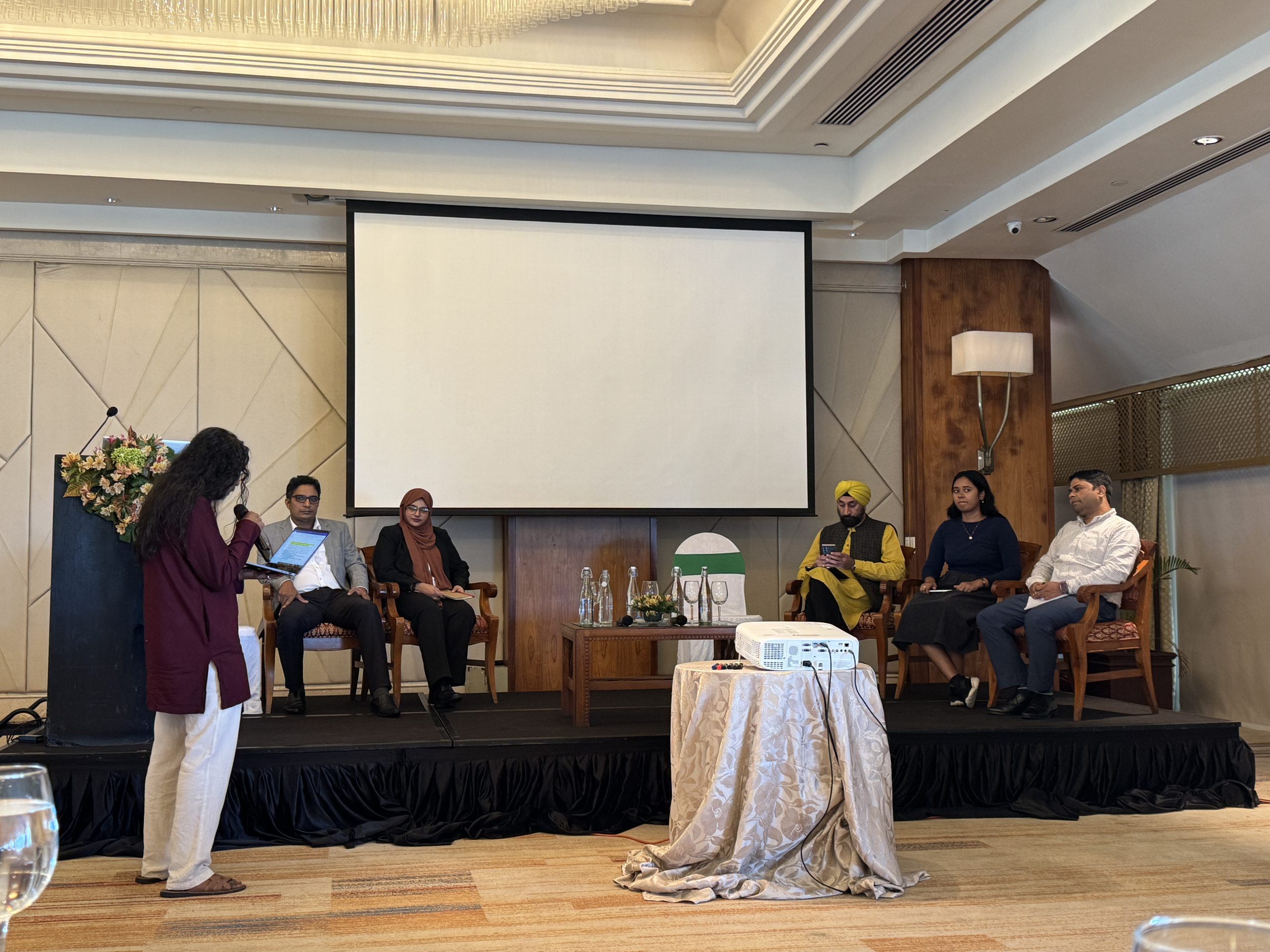
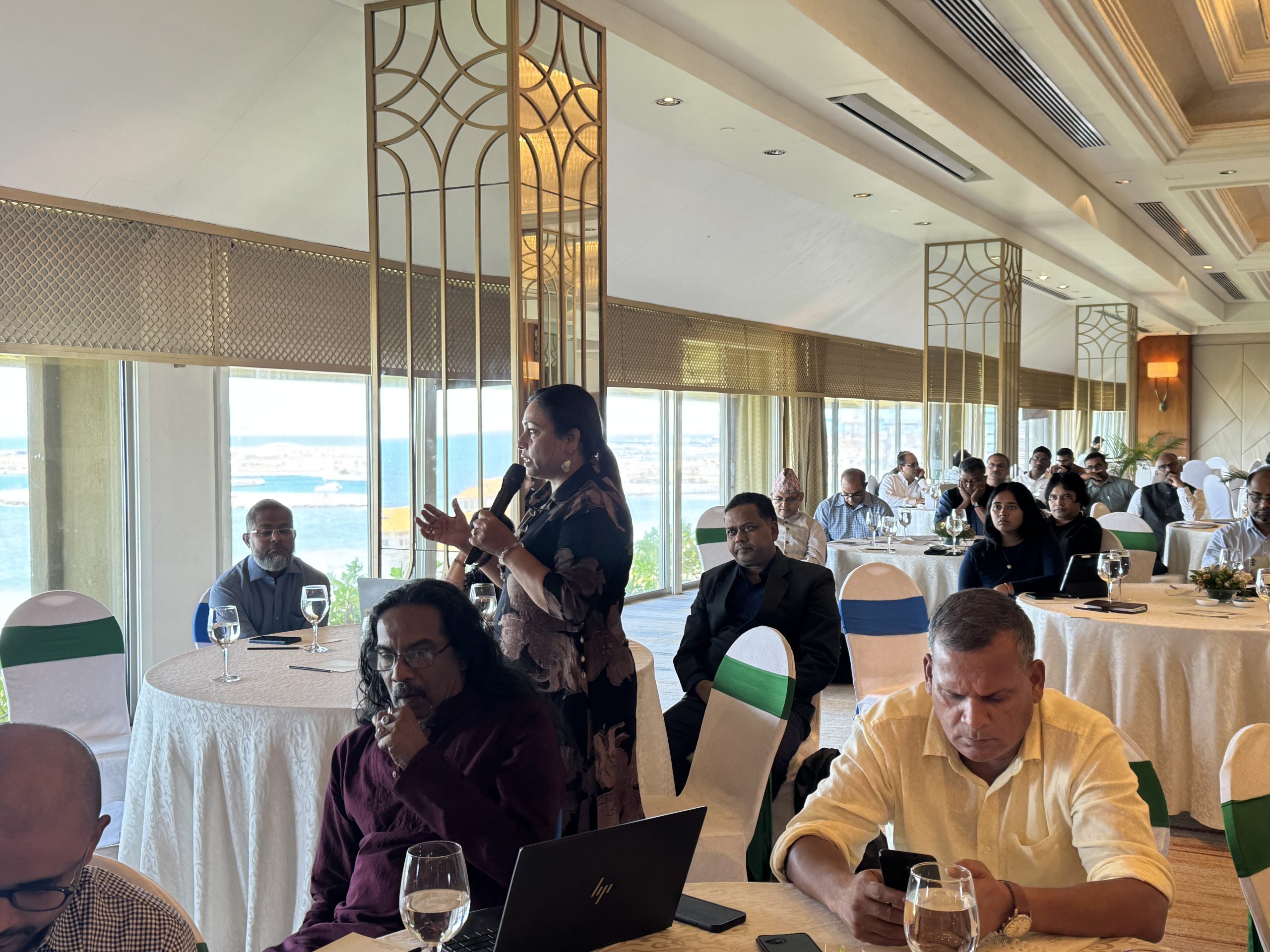
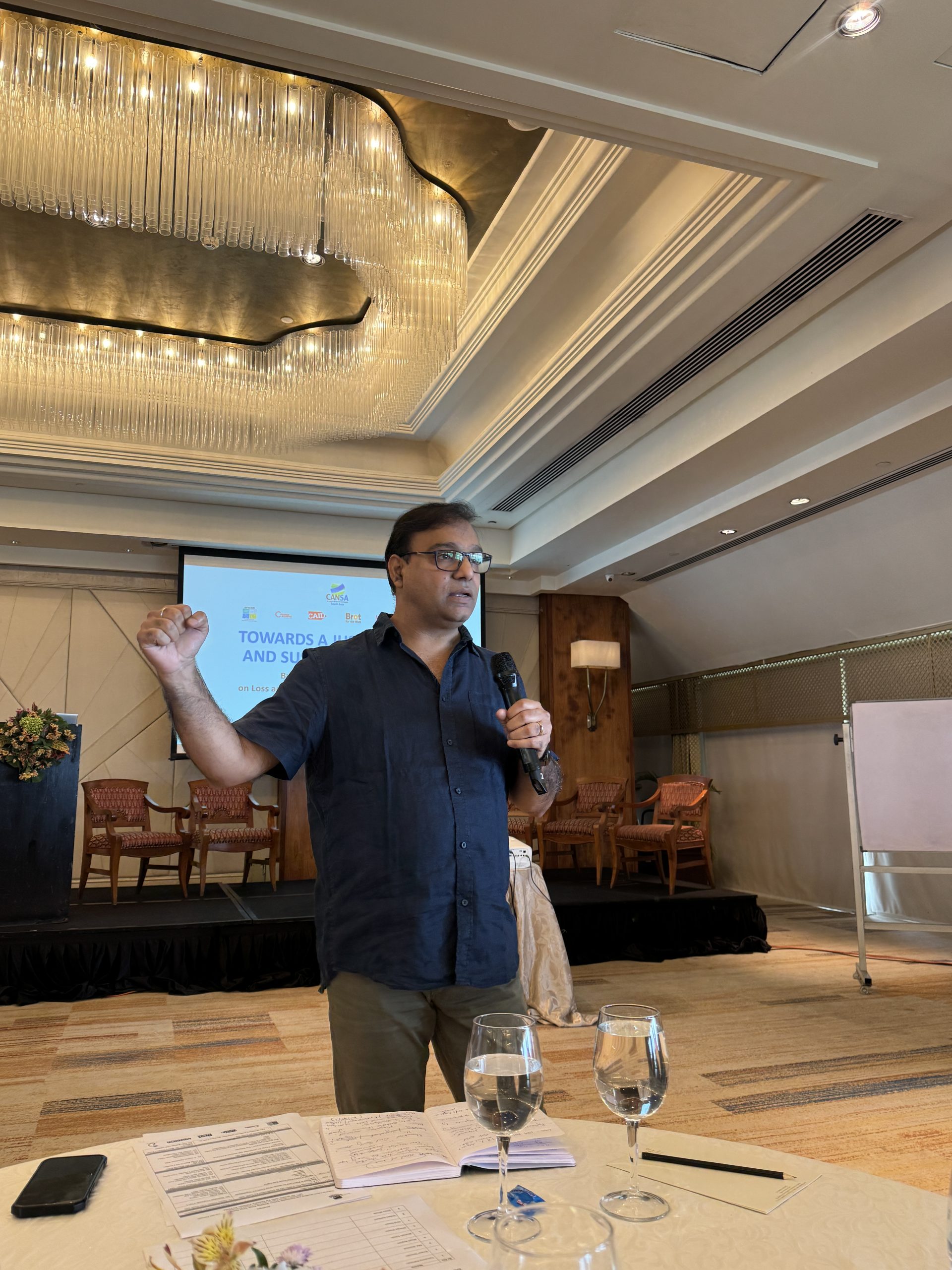
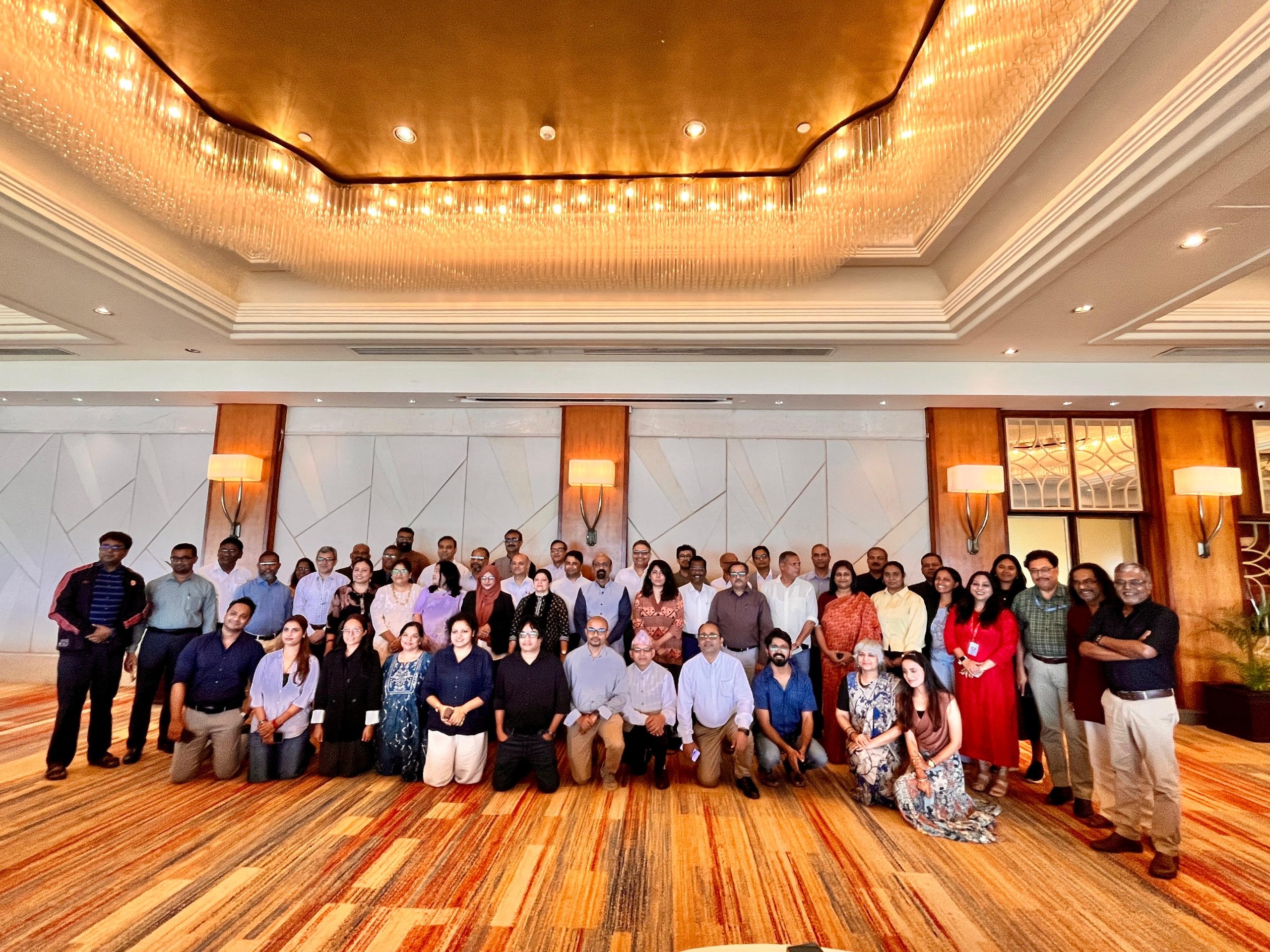
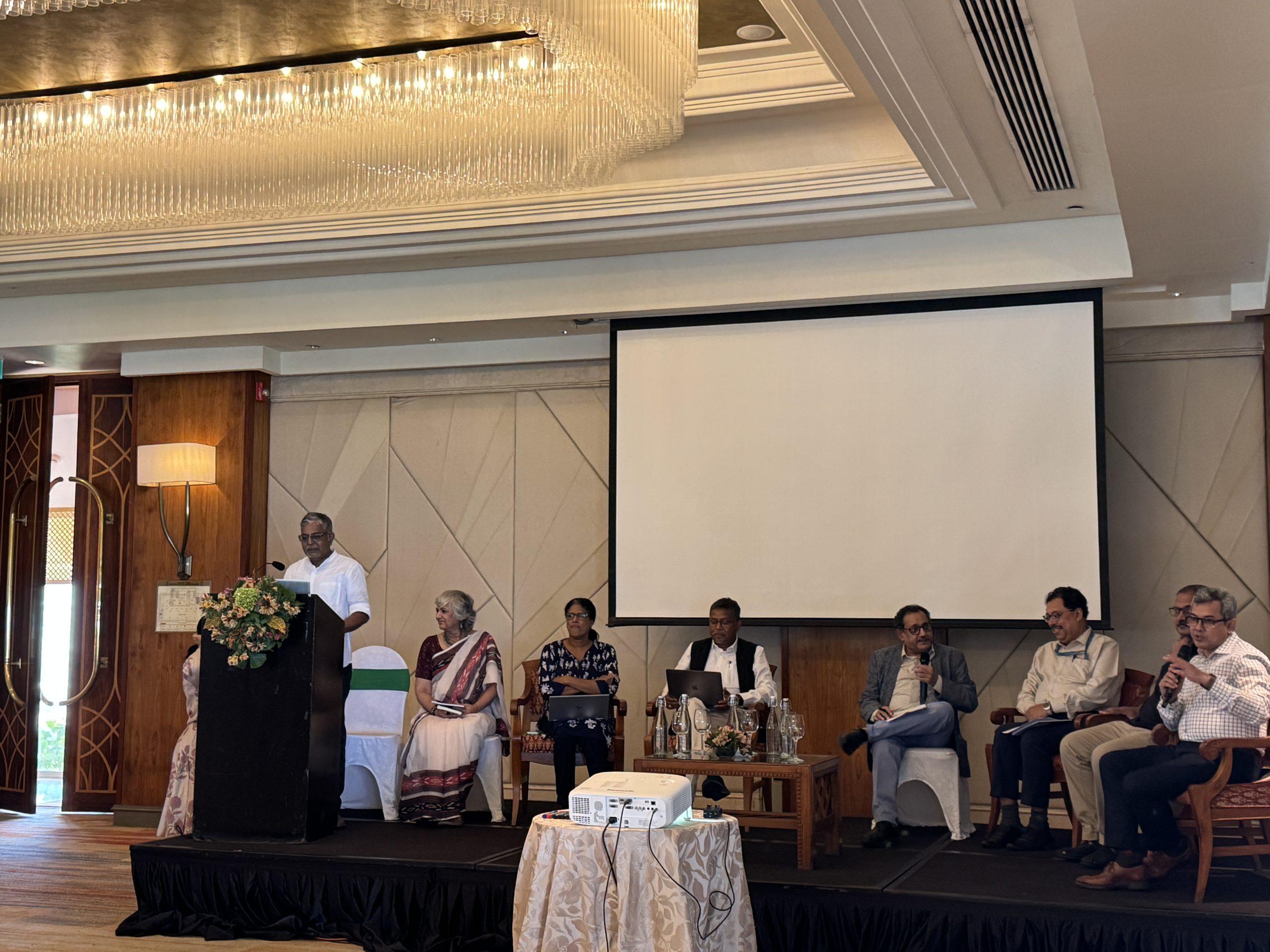
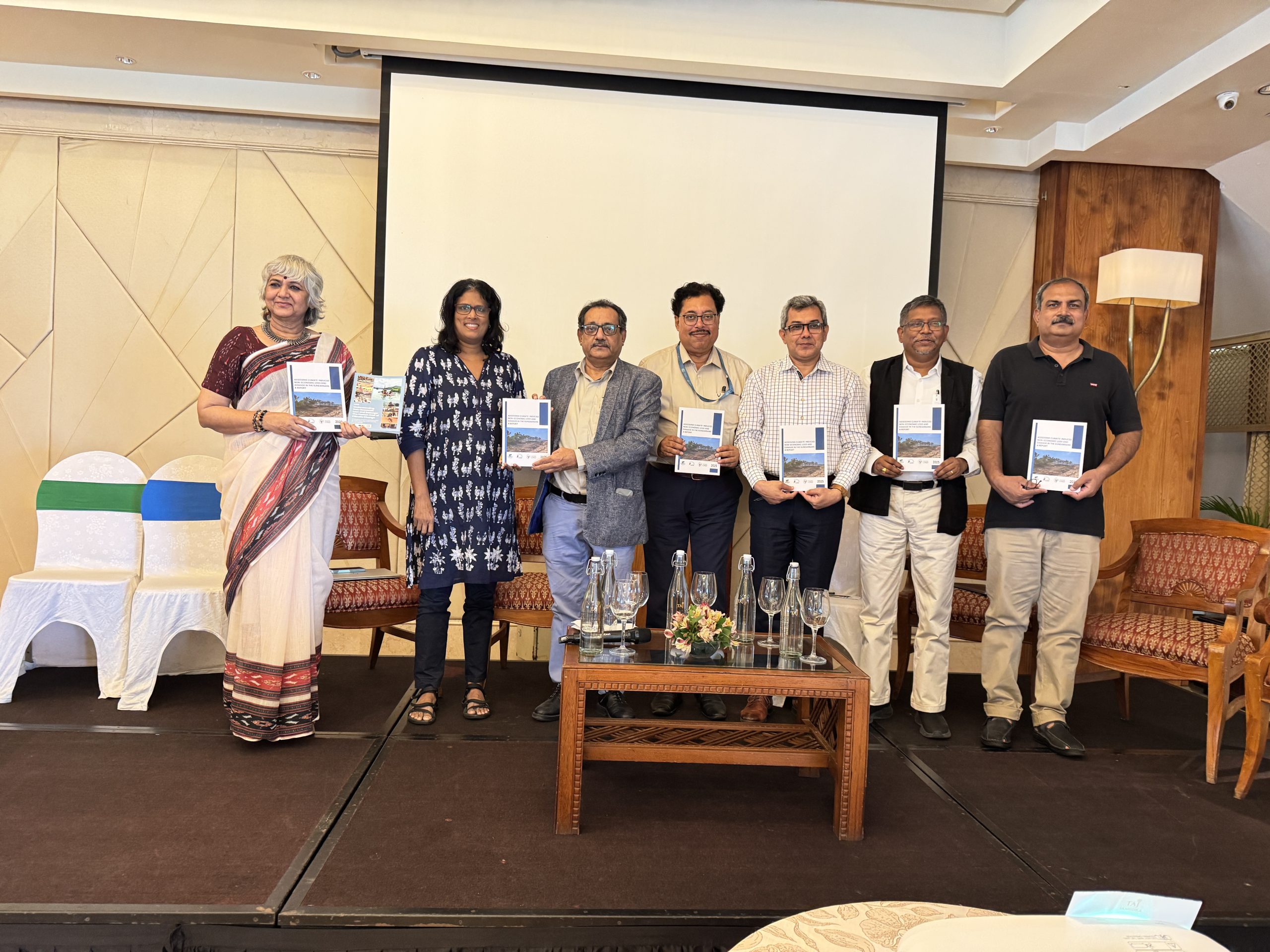
Climate Action Network South Asia (CANSA) organised a regional meeting on 15–16 October 2025 in Colombo, bringing together member organisations from India, Bangladesh, Nepal, Pakistan, Sri Lanka, and Bhutan to discuss how the region can advance a just, inclusive, and sustainable climate transition. The two-day meeting served as an important platform for dialogue and collaboration at a time when South Asia faces intensifying climate and socio-economic challenges.
The region is already experiencing worsening impacts of climate change-rising temperatures, severe floods and cyclones, erratic monsoons, and prolonged droughts that threaten livelihoods and well-being. With its dense population, economic inequality, and dependence on sectors like agriculture and fisheries, South Asia is among the most climate-vulnerable regions. Against this backdrop, the meeting focused on defining what a just transition means for South Asia and how civil society can influence policy processes at national and regional levels.
Speakers emphasised that although South Asian countries contribute least to global emissions, they face the harshest climate impacts. A just transition, they noted, must go beyond technology and policy, it must address people’s realities and ensure that no one is left behind. The process should be guided by fairness, inclusion, and resilience, supported by social protection and participatory governance.
Participants shared examples of community-led renewable energy, adaptation, and livelihood initiatives, stressing that just transition in South Asia must extend beyond energy to include agriculture, water, and urban development. They cautioned that without equity and planning, the transition could deepen existing inequalities.
Loss and damage emerged as a major concern, with calls for transparent and fair access to climate finance that reaches local communities. Participants shared stories of repeated floods, droughts, and coastal erosion that have displaced families, urging mechanisms that not only compensate for losses but also build resilience.
Discussions also highlighted climate-induced migration as both a challenge and an adaptation strategy. Participants called for migration to be recognised in adaptation plans and for policies that protect migrants’ rights and livelihoods. Gender and youth were recognised as central to the transition, with women- and youth-led initiatives showing tangible impacts across the region.
The meeting concluded with a strong call for enhanced regional cooperation. Participants agreed that South Asian countries must strengthen their collective voice in global negotiations and pursue joint action through regional platforms. The Colombo meeting reaffirmed CANSA’s role in fostering collaboration and amplifying South Asia’s shared priorities and demands for COP30- including stronger global ambition, equitable climate finance, and just transition pathways that safeguard communities and ecosystems across the region.