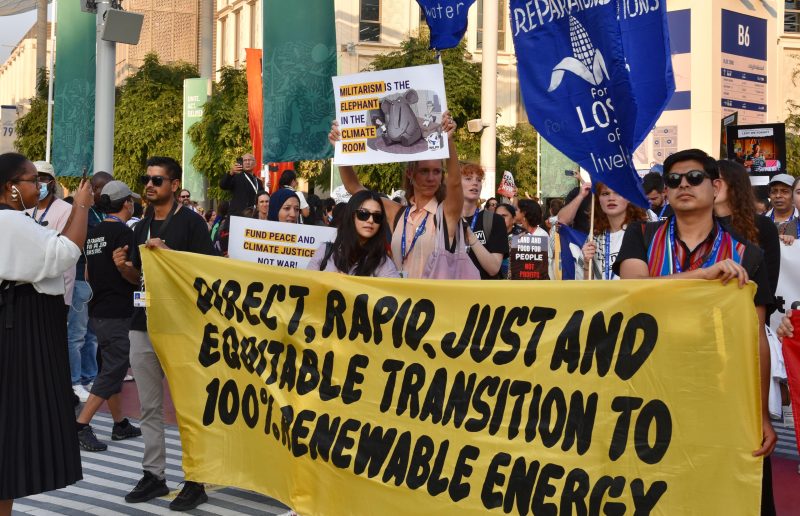
More than 1,000 organisations from 106 countries – spanning trade unions, Indigenous leaders, feminist and youth movements, Afro‑descendant and peasant groups, environmental advocates, disability networks and community organisations – have united to urge governments to stop treating climate action as a numbers game. Their open letter calls for a Just Transition that makes climate work for the people who live its consequences.
Belém, Brazil – November 10 2025 – As COP30 opens, civil society warns that the world is at a crossroads: either deliver justice and equity, or watch the credibility of the UN climate process collapse.Climate Action Network (CAN), representing over 2,000 organisations in more than 130 countries, is calling for a course correction rooted in fairness, rights, and real finance. The network’s Justice Package sets out what must happen in Brazil for COP30 to succeed – beginning with the creation of a Belém Action Mechanism (BAM) for a Global Just Transition.
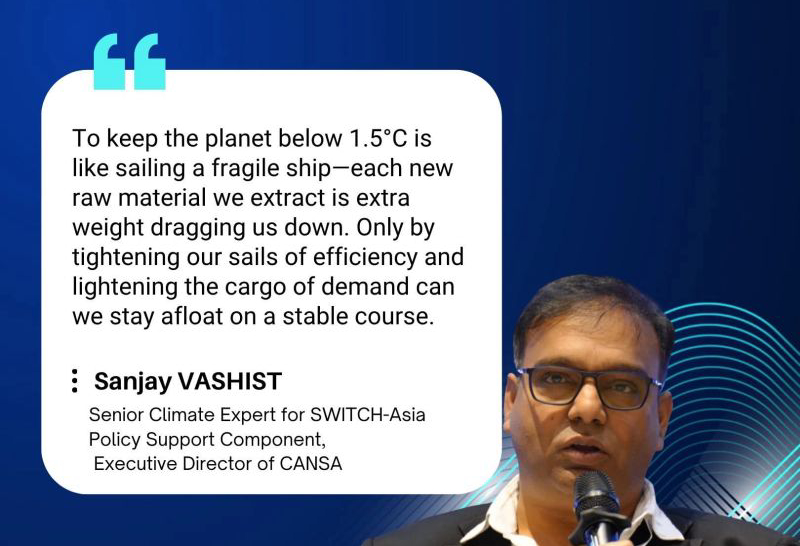
By Dr. Sanjay Vashist
As we stand amidst the urgent realities of climate change, it’s increasingly clear that our existing pathways are insufficient. The latest reports remind us that we remain far from meeting the Paris Agreement’s critical goal of limiting global warming to 1.5°C. The UN Secretary-General recently issued a stark warning: “Overshooting is now inevitable.”
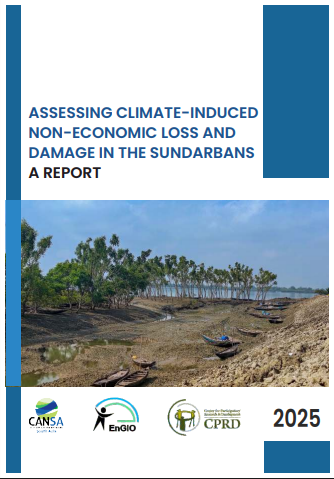
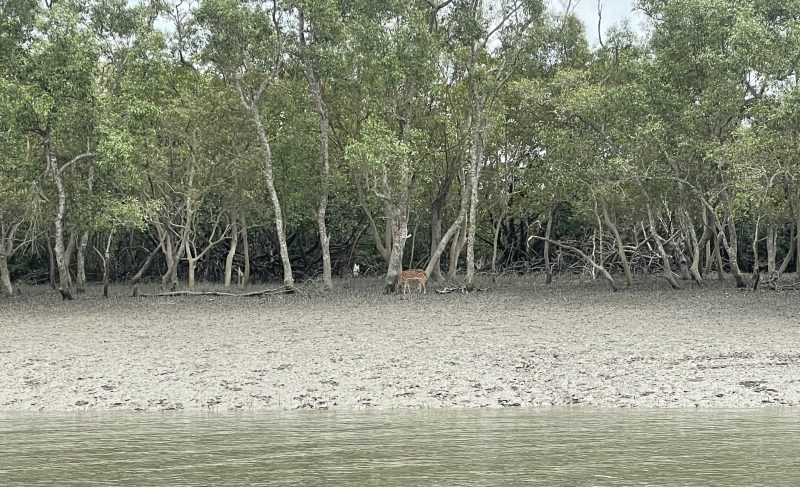
Download Here PDF Spanning over 19,000 sq km across southwest Bangladesh and southern West Bengal, India, the Sundarbans is the world’s largest contiguous mangrove forest and unique habitat for the Royal Bengal tiger. Known for its rich biodiversity and cultural heritage, this transboundary region is one of the planet’s most climate-vulnerable zones. Its low-lying geography, […]
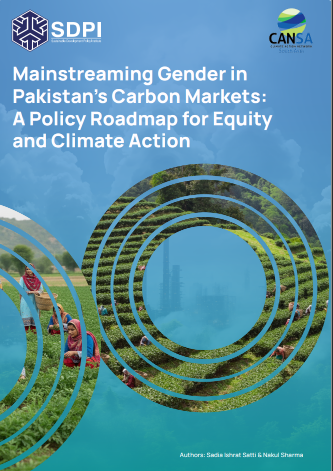
Download Here PDF The gradual erosion of international climate finance, especially after the withdrawal of the USA from the Paris Agreement, has put prominent focus back on carbon markets as vital tools to enable countries and non-state entities to reduce emissions while supporting sustainable development.By assigning monetary value to carbon reductions, these markets incentivize green […]
By Dr. Sanjay Vashist
South Asia’s vulnerability to climate change was tragically illustrated by the catastrophic flash floods that struck Uttarkashi, Uttarakhand, on August 5, when a sudden and powerful surge of water and debris tore through the village of Dharali and surrounding areas, leaving at least four people dead and over 100 missing. Homes, shops, hotels, and critical infrastructure were swept away in minutes, and the bustling market was left in ruins.
By Nakul Sharma
As the climate crisis worsens, the world watches closely for new leadership, especially from the Global South, where impacts are often most severe and voices have historically been underrepresented. The 2025 BRICS Summit, held in Rio de Janeiro, reached a pivotal moment.
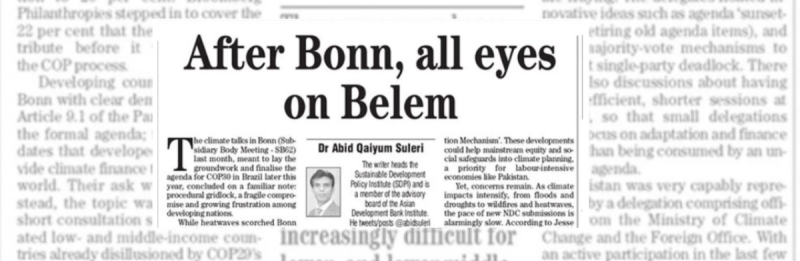
By Dr Abid Suleri
Five years ago, I stepped into the climate space not as a policy expert, but as a young activist trying to make sense of the chaos unfolding around me. South Asia’s disappearing forests, melting glaciers, and rising seas were alarming to me. I arrived full of urgency, at my first international climate meeting
Bonn, Germany, 26 June 2025 – After two tense weeks of negotiations, one breakthrough emerged in the SB 62 climate talks: civil society’s Just Transition priorities were officially tabled in the UN climate process, thanks to relentless pressure from social movements, workers, and frontline communities. This vital step opens the door in the fight for transitions that put people first – ensuring climate action centres justice, dignity, and decent work, rather than enabling corporate greenwashing or elite control.
By Divyanshi Yadav
Five years ago, I stepped into the climate space not as a policy expert, but as a young activist trying to make sense of the chaos unfolding around me. South Asia’s disappearing forests, melting glaciers, and rising seas were alarming to me. I arrived full of urgency, at my first international climate meeting—the UNFCCC Subsidiary Bodies (SB) session in Bonn, driven by the smog I had grown up with and the seasonal floods that had started to feel less like disasters and more like routines.