


South Asia’s #Vulnerability to climate change was tragically illustrated by the catastrophic flash floods that struck Uttarkashi, Uttarakhand, on August 5, when a sudden and powerful surge of water and debris tore through the village of Dharali and surrounding areas, leaving at least four people dead and over 100 missing. Homes, shops, hotels, and critical infrastructure were swept away in minutes, and the bustling market was left in ruins.
For South Asia, home to billions and some of the world’s most climate-vulnerable communities, transitioning to a greener, climate-resilient future is urgent and essential. But how this change happens will shape the lives of millions. Will it be fair and leave no one behind, or will it benefit only a few?
#ClimateDisasters like the ones unfolding across the South Asian region right now are forcing families to leave their homes and livelihoods behind, growing into a humanitarian concern. Glacial melt, erratic monsoons, and frequent disasters threaten #Agriculture, water supplies, and homes across the region. Changes in monsoon patterns and increased rainfall are now common, leading to significant urban flooding and #Displacement.
South Asia is experiencing climate impacts more severely than ever, extreme heat now arrives earlier and lasts longer, affecting health, productivity, and everyday life from Karachi to Kolkata. The 2025 heatwaves in South Asia demonstrated just how dangerous prolonged, unseasonal heat can be, straining public health and daily life.
The Shift Has Started—but Is It Fair?
Countries in South Asia are investing in climate-#ResilientCities, diversifying agriculture, and expanding clean energy. But real transformation means addressing social inequalities made worse by climate change.
Without careful planning, climate action could benefit mostly urban elites or big business, leaving rural workers, women, and marginalized groups more vulnerable.
For example in India’s Coal Regions tens of thousands of people rely on coal mining both legal and illegal. As the country sets ambitious clean energy targets of net zero by 2070, these communities must be supported with pathways for new work and skills. States like Jharkhand have started just transition task forces to chart fair and inclusive development. In Bangladesh four million women work Garment Industry, which faces international sustainability pressures. Transition plans must factor in social protection and job creation for these workers.
Why Public Consultation Matters
This massive transformation can’t succeed if people’s needs and voices are ignored. Inclusive consultations help to design locally relevant solutions. From informal miners to small farmers, participatory discussions lead to more practical, accepted solutions.
Open dialogue is crucial to build Public Trust. Communities are likelier to support changes they help shape, ensuring smoother, just transitions. Numerous examples from South Asia show the benefits of people’s involvement, worker retraining in India’s coal regions, farmer-led adaptation in Bangladesh, and community-driven rebuilding after floods in Nepal and Uttarakhand.
What Next? Key Steps for a Fair Transition
South Asia stands at a pivotal crossroads. Addressing climate change is about more than building solar panels or dams. It’s about building a society where the benefits of change reach everyone. This seemingly difficult task of just and fair transition can begin with these small steps :
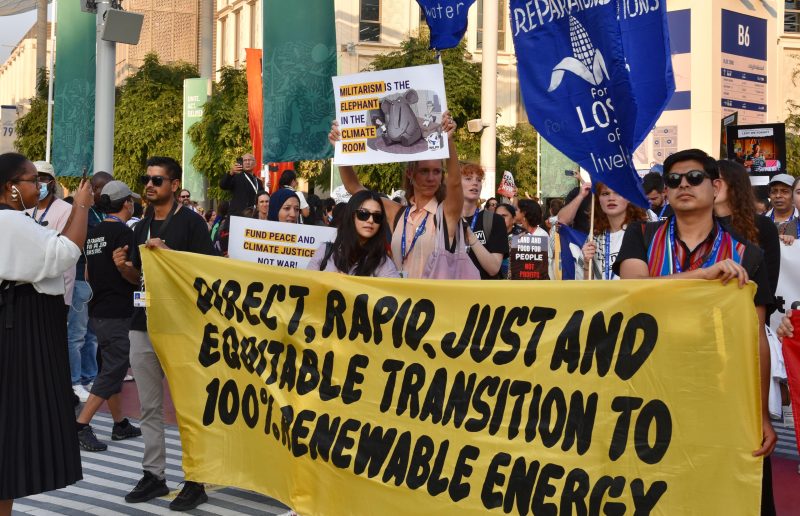
The #Transition must be ensuring ‘justice’ by protecting people’s dignity and livelihoods, not just cutting emissions. Since fairness can only start with real conversation. Inclusive consultation is the first, essential step on the road to climate justice.
By Dr. Sanjay Vashist, Director, Climate Action Network South Asia (CANSA)


