


Dear Friends and Colleagues,
This quarter has been a difficult one for the CAN South Asia family as we mourned the loss of our dear colleague and friend, Santosh Kumar Patnaik, who passed away on 9 August 2026. Santosh was part of CANSA since 2014 and made valuable contributions to our work. He will be deeply remembered, and our heartfelt condolences are with his family and loved ones.
The devastating floods in Nepal have also brought into sharp focus the growing climate risks facing South Asia, particularly communities in the Himalayan region. They reinforce the urgent need for stronger adaptation, accessible climate finance, and regional cooperation to address escalating climate impacts. We stand in solidarity with our members in Nepal and the people of Nepal in the wake of this devastating tragedy, which has affected communities on a vast scale.
During the quarter, CAN South Asia continued to strengthen regional dialogue and bring together civil society, youth, researchers, and partners around shared priorities including adaptation, loss and damage, climate-induced displacement, resilient food systems, and equitable climate finance. CANSA also continued its engagement with SAARC, exploring opportunities for collaboration and stronger regional cooperation on climate and related priorities.
Through our advocacy, knowledge-sharing, and communications, we continue to amplify the experiences and priorities of communities across South Asia and strengthen the region’s collective voice for climate justice.
I invite you to explore this quarter’s newsletter and the work of our members and partners across the region.
Thank you for your continued engagement and support.
In solidarity,
Dr. Sanjay Vashist
Director
Climate Action Network South Asia (CANSA)
CANSA Mourns the Loss of Santosh Kumar Patnaik (1981–2026)
The CAN South Asia family mourns the passing of our dear colleague and friend, Santosh Kumar Patnaik, who passed away on 9 August 2026 in Bhubaneswar, Odisha. Santosh had been with CANSA since 2014, serving as a Program Coordinator and making valuable contributions to community-led initiatives and CANSA’s programme priorities. He will be remembered for his dedication, sincerity, leadership, and commitment to the organisation’s work. Our heartfelt condolences are with his family and loved ones. He will be deeply missed and always remembered.

CONTINUED ENGAGEMENT WITH SAARC AND BUILDING PARTNERSHIPS
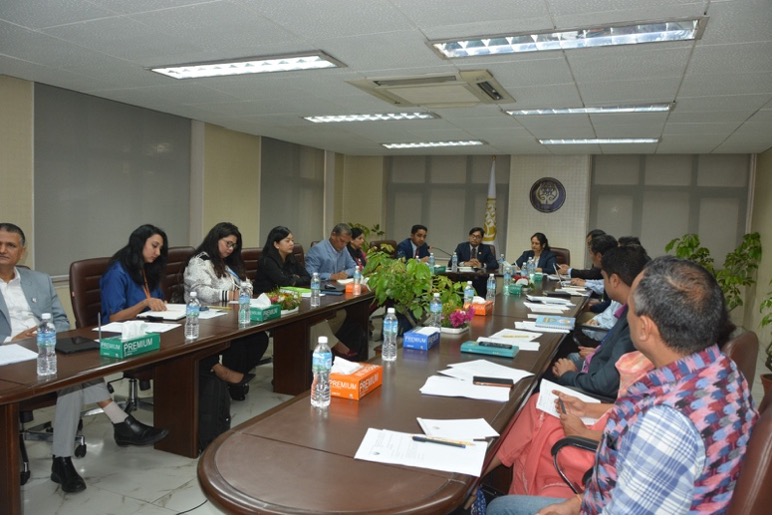
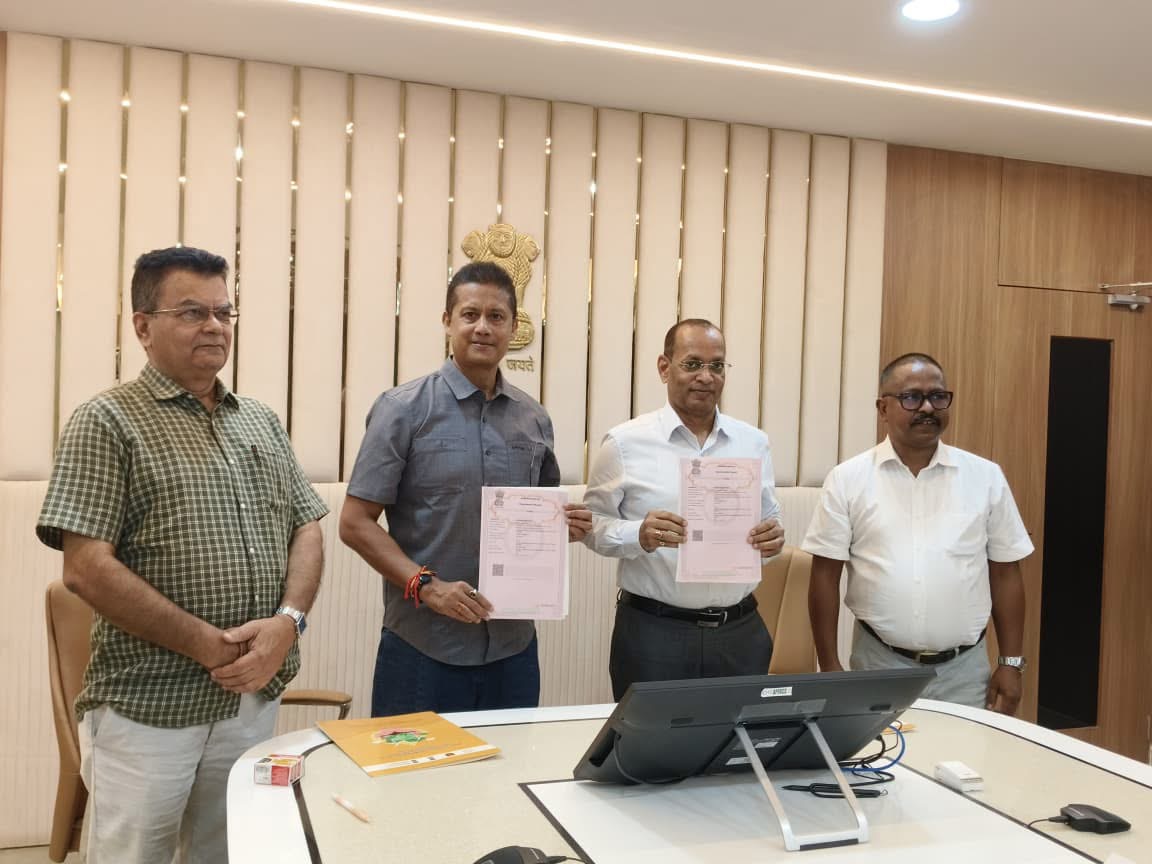
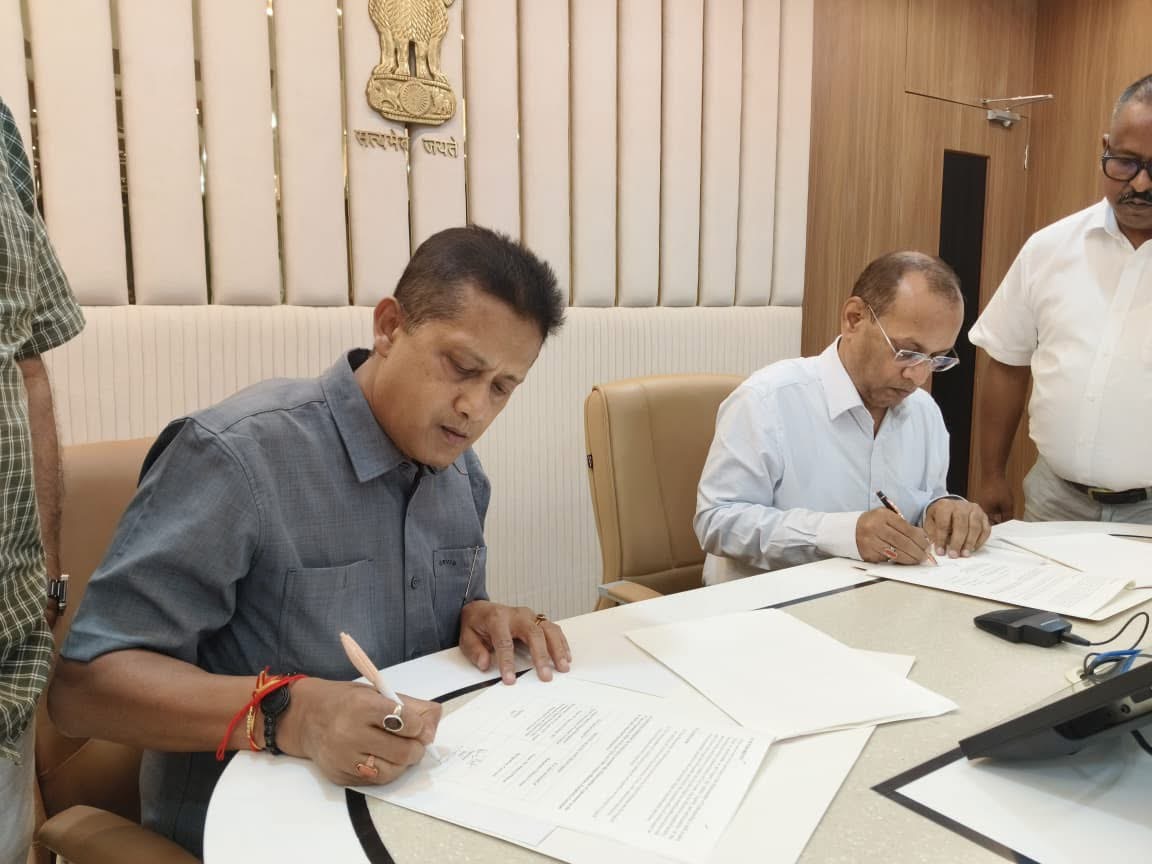
CANSA continued its engagement with the South Asian Association for Regional Cooperation (SAARC) through a series of meetings in July.
The engagements provided an opportunity to explore areas of mutual interest and discuss potential avenues for collaboration. CANSA will continue these discussions towards developing concrete plans for joint efforts and strengthening regional cooperation on climate and related priorities.
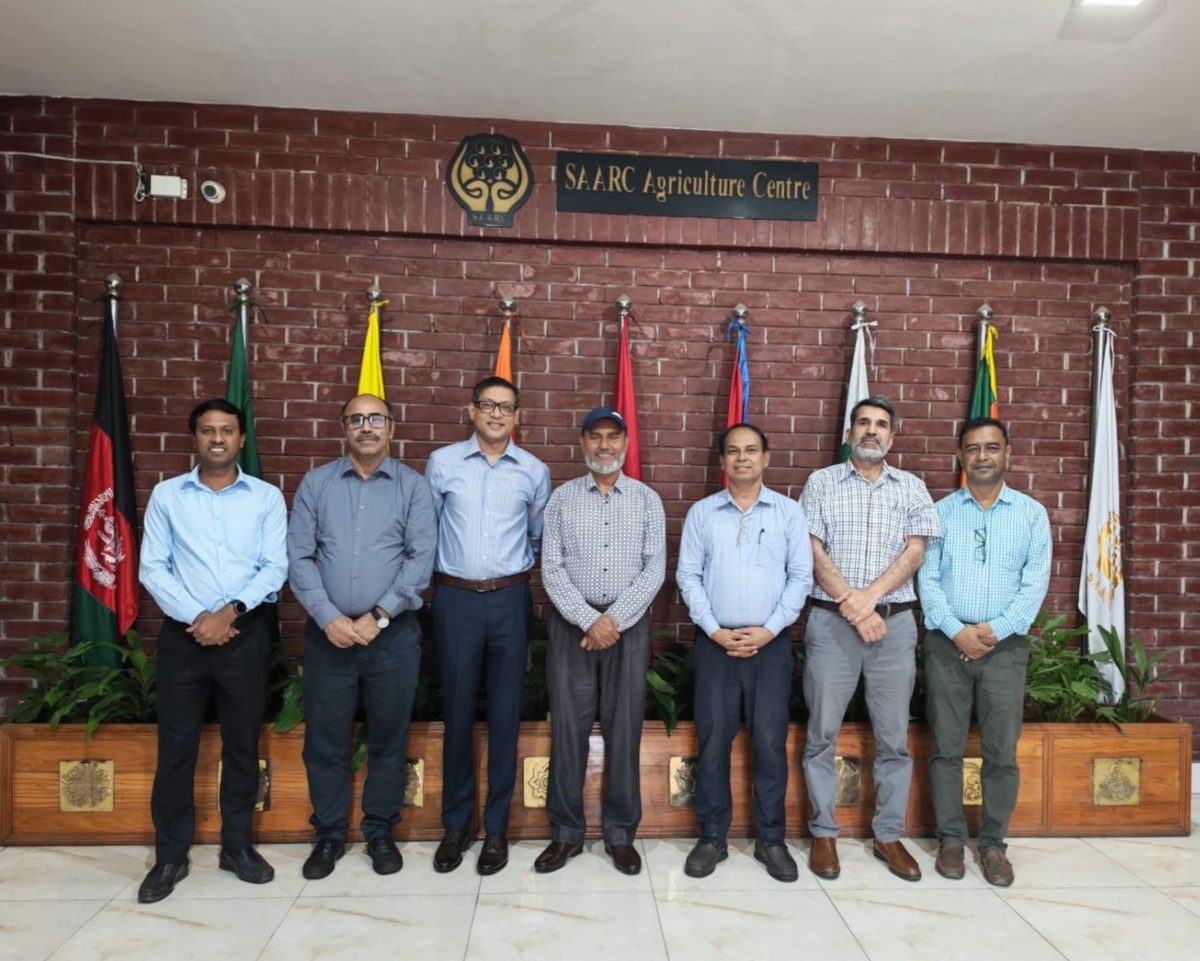
CANSA’s Senior Advisor, Palash Das, met the senior leadership of the SAARC Agriculture Centre to explore a strategic partnership between CANSA and SAC. The discussions focused on advancing climate-resilient agriculture, sustainable trade, food security, knowledge exchange, and coordinated regional collaboration to address the adverse impacts of climate change in South Asia.
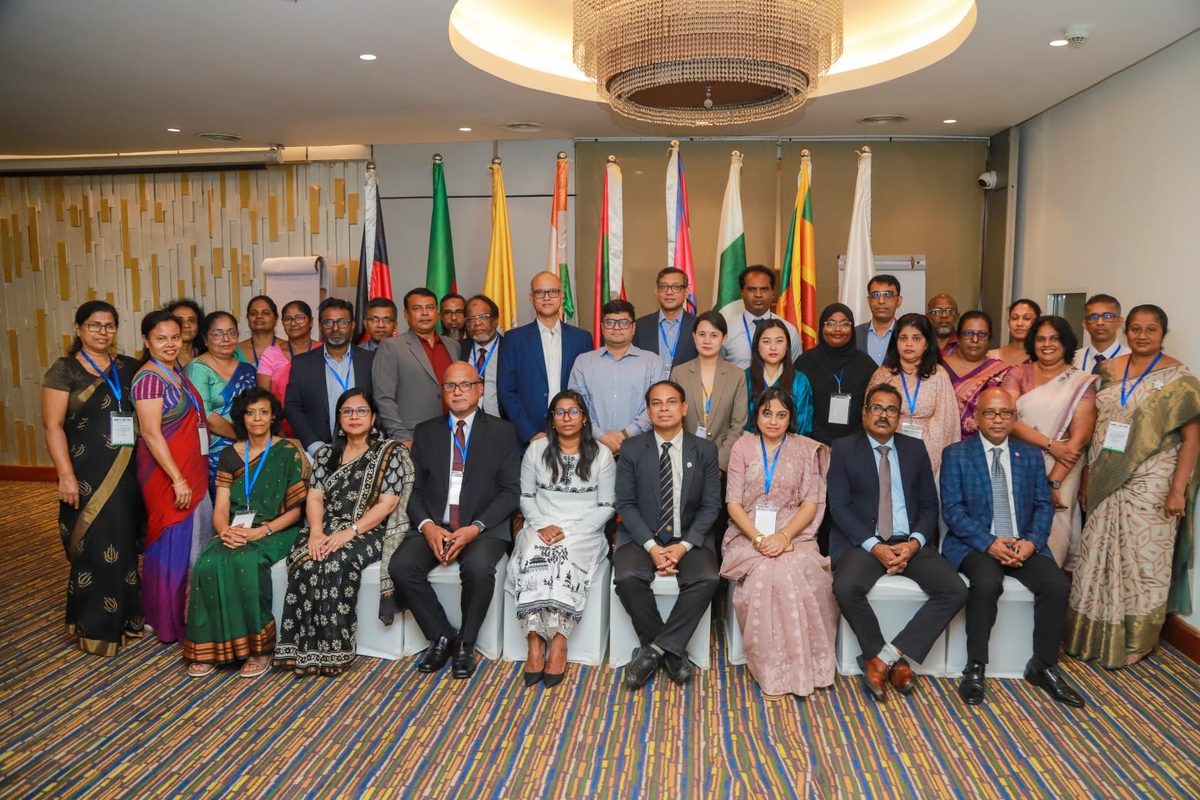
CANSA participated in a two-day workshop organised by SAARC Agriculture Centre in Colombo in August on women’s entrepreneurship and regional trade in South Asian agriculture, experts exchanged perspectives and experiences. Key discussions included de-risking and blended climate finance to support women-led, climate-responsive agribusiness and a stronger, climate- resilient agriculture value-chain across the region.
EVENTS | WEBINARS
Climate Change Resilience Strategy
20 August 2026
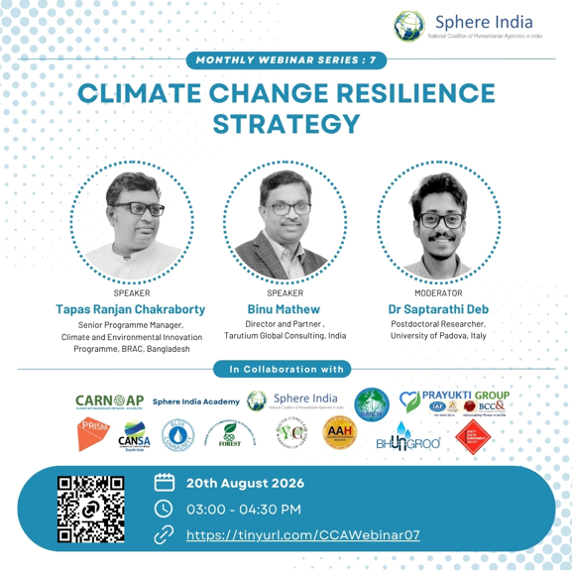
Webinar 7 of the Monthly Webinar Series: Advancing Climate Action, Community Resilience & Knowledge Collaboration in Asia Pacific focused on inclusive and transformative approaches to climate resilience. The session highlighted the integration of scientific knowledge with local and Indigenous knowledge, community-led solutions, innovation and regional collaboration, featuring experiences from Bangladesh, India and Italy. Read more.
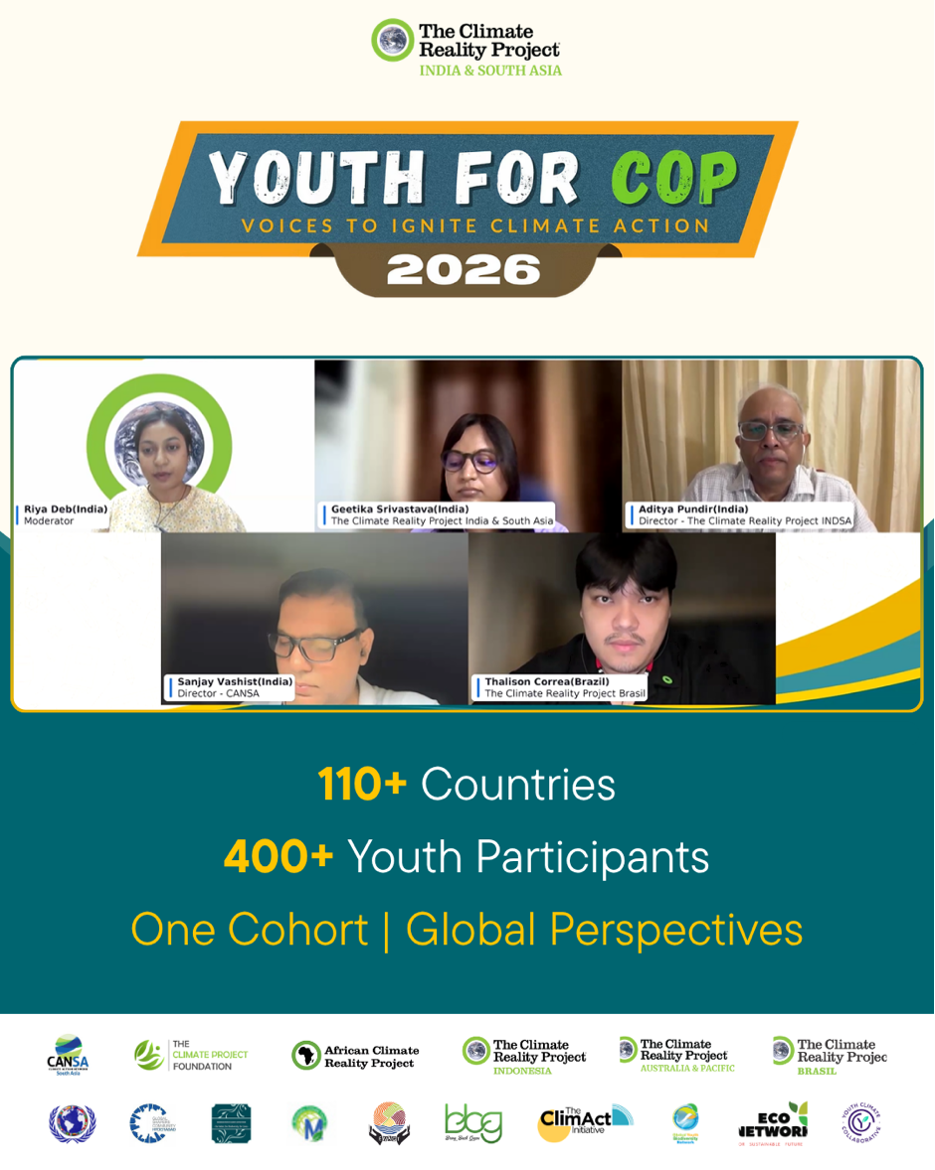
Youth for COP 2026 – Edition 3 | Grand Opening Ceremony
25 July 2026

The Youth for COP 2026 journey was officially launched with a vibrant Grand Opening Ceremony that brought together young climate leaders and participants from across the Global South. The session set a collaborative tone for the months ahead, fostering meaningful dialogue, shared learning, and collective action on climate issues. Featuring an inspiring line-up of speakers, the ceremony offered diverse perspectives and valuable insights, sparking engaging conversations among participants. It also created a dynamic space for connection-building across regions and communities, marking a strong and promising start to the initiative. Read more.
Building Urban Resilience to Climate Change: Policy responses and Resilience Strategies
20 July 2026
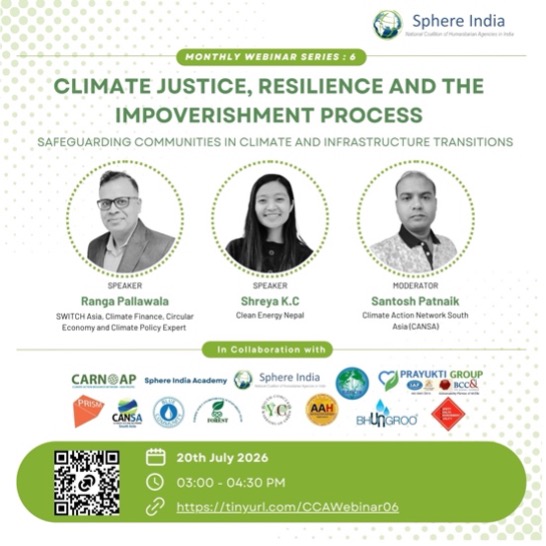
Webinar 6 of the Monthly Webinar Series: Advancing Climate Action, Community Resilience & Knowledge Collaboration in Asia Pacific explored the challenges of rapid urbanisation and climate change, highlighting strategies for building resilient cities through climate-responsive planning, nature-based solutions, green infrastructure and improved public services. The session also emphasised the need for stronger governance, capacity building, technical support and climate finance to advance inclusive and climate-resilient urban development. Read more.
2nd International Climate Camp In the Heart of the Himalayas
7th- 11th July 2026
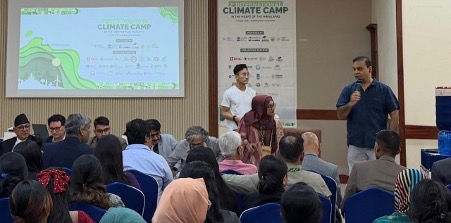
The 2nd International Climate Camp 2026 was successfully held from 7–11 July across Kathmandu and Pokhara, Nepal, bringing together over 100 youth leaders and climate advocates from South Asia. The immersive programme blended leadership workshops, grassroots engagement, and cultural experiences, fostering collaboration and inspiring participants to drive climate action in their communities. Read more.
CANSA IN THE NEWS
PRESS RELEASE
CANSA Stands in Solidarity with Nepal as Unprecedented Flash Floods Expose Growing Climate Vulnerability Across the Himalaya
CANSA expressed solidarity with the people of Nepal following the devastating flash floods of August 2026, highlighting the growing risks faced by mountain and downstream communities as climate impacts intensify. The tragedy underscores the need to strengthen adaptation, resilience, early warning systems and regional cooperation across South Asia, while ensuring greater attention to averting, minimising and addressing loss and damage. CANSA emphasised that climate-related disasters do not respect national borders and called for stronger cross-border collaboration, knowledge sharing and international support to protect vulnerable communities from the mounting human, social and economic costs of the climate crisis. Read more.
BLOG
BRICS: Bridging for Inclusive and Resilient Future
By Swayamprabha Das, Ph.D, TEDx speaker I Environment & Development
As India chairs BRICS 2026 under the theme Building for Resilience, Innovation, Cooperation, and Sustainability, the Environment Working Group is prioritising sustainable lifestyles, circular economy, afforestation, forest fire management, disaster resilience, and climate adaptation. By blending traditional wisdom with modern science—restoring landscapes, conserving wetlands, managing water and harnessing technology like AI and drones BRICS is reimagining the people planet connect to empower communities, secure livelihoods, and build a resilient future. Read more.
MEMBERS IN ACTION
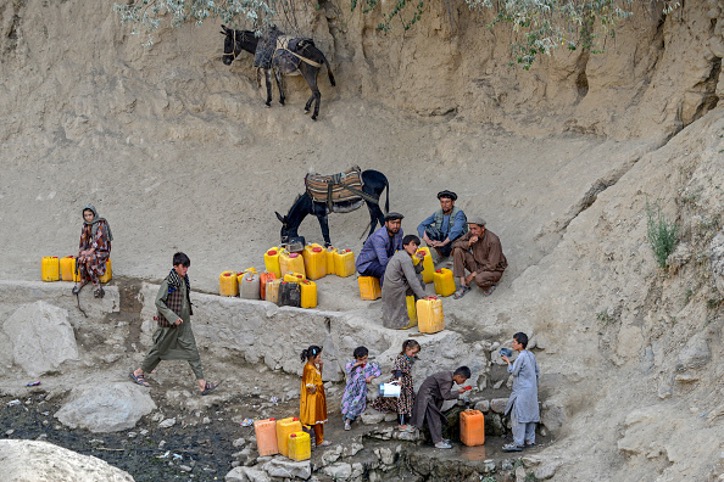
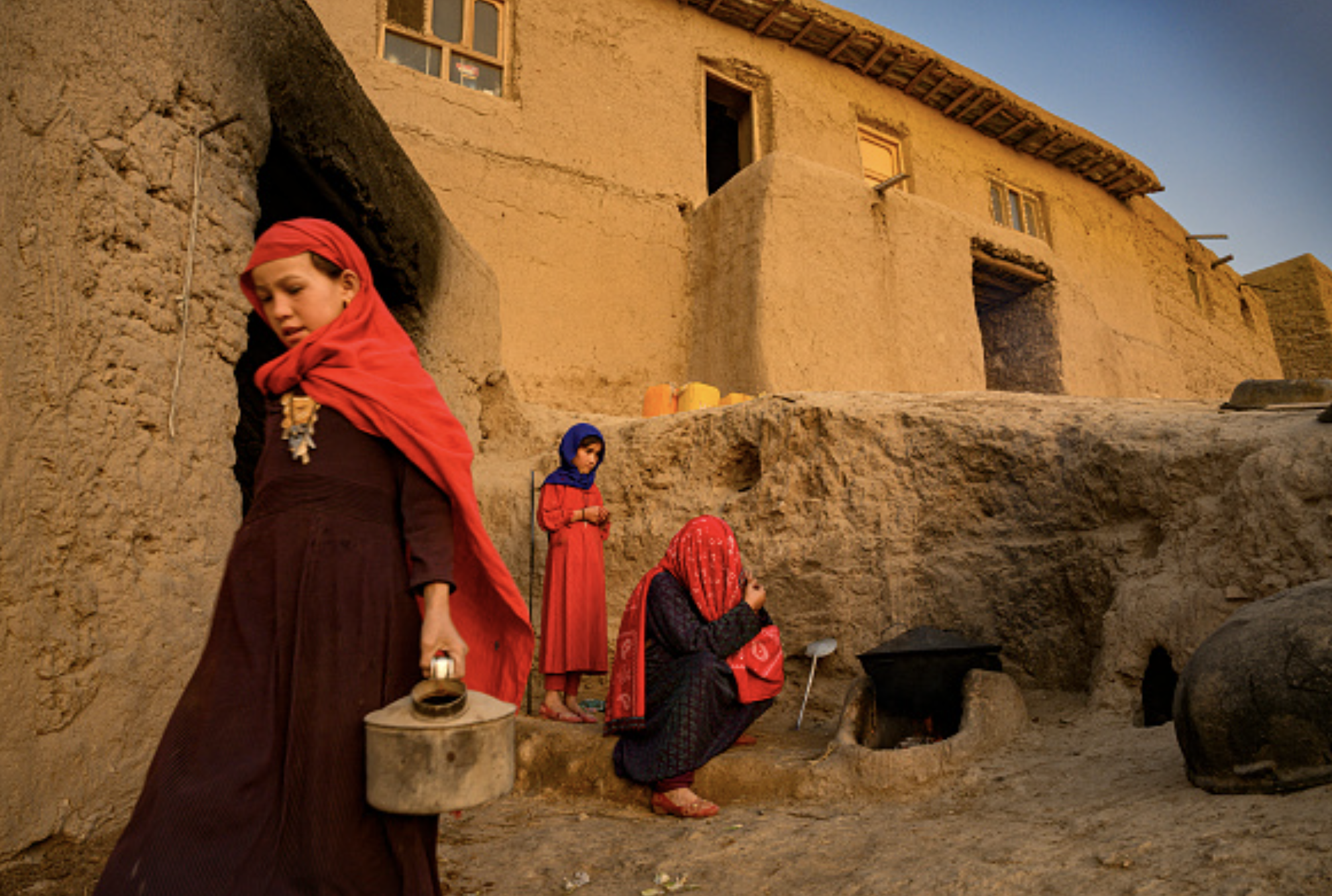
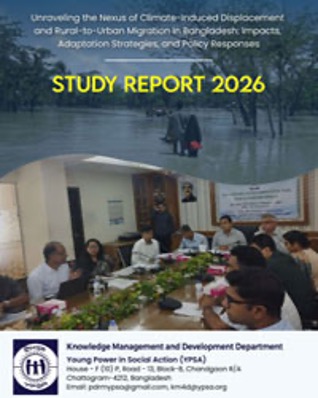
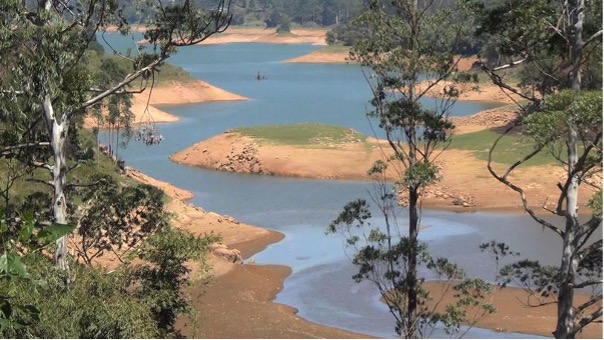
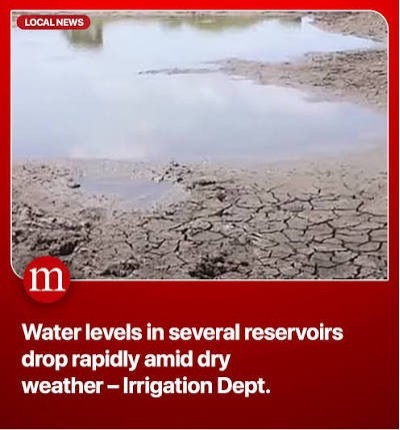
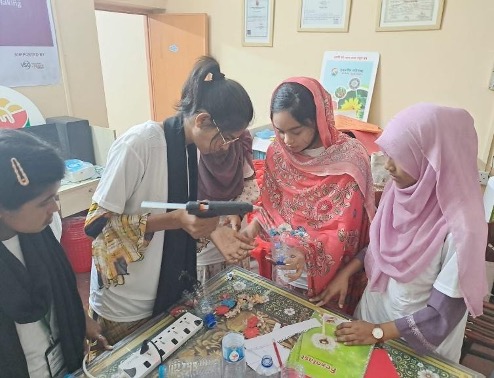
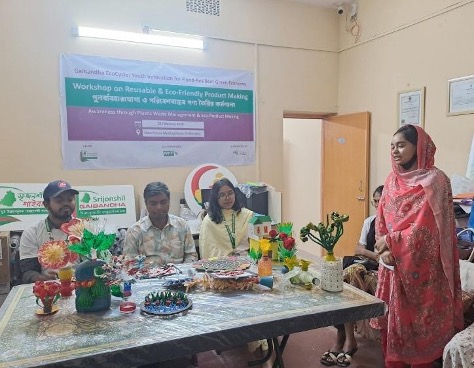
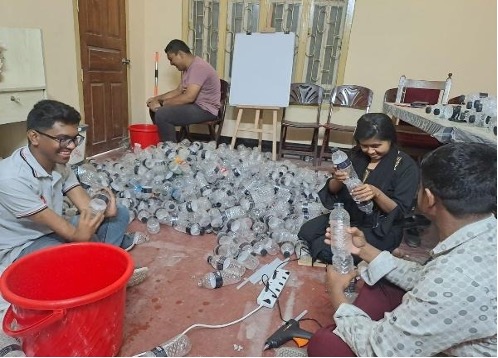
Across South Asia, CANSA members continue to champion locally led climate action, strengthen community resilience, and advance climate justice. Here are some of the inspiring initiatives from across our network this quarter.
We hope you enjoyed this edition. Thanks to all those who submitted their stories.
We look forward to hearing from more of you for our forthcoming issues.