Dr Sanjay Vashist
The recent cryosphere-linked disasters in the Himalayas are a stark reminder that climate change is no longer a distant threat. In August 2026, a devastating rock-and-ice collapse and debris-laden flooding in the Gyirong–Rasuwa border corridor between China and Nepal demonstrated how rapidly changing mountain conditions can trigger cascading disasters across borders
By Palash Kanti Das
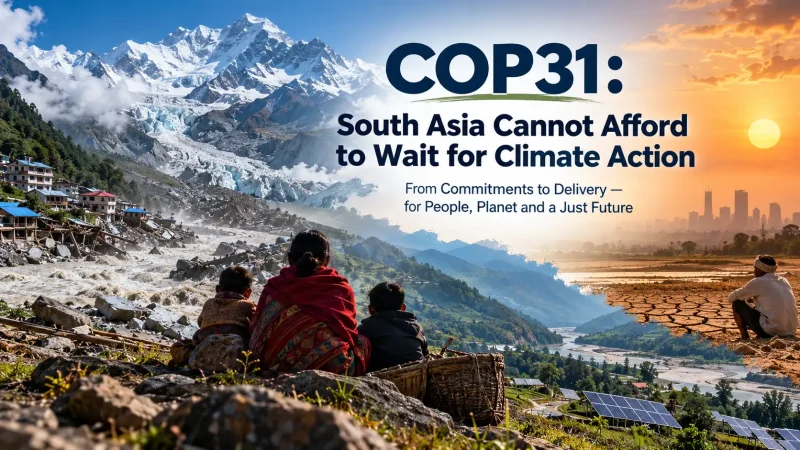
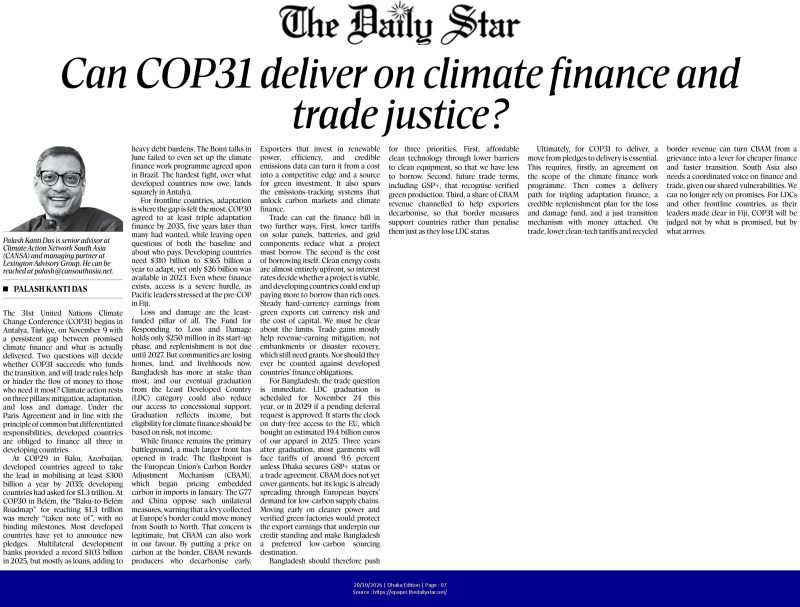
The 31st United Nations Climate Change Conference (COP31) begins in Antalya, Türkiye, on November 9 with a persistent gap between promised climate finance and what is actually delivered. Two questions will decide whether COP31 succeeds: who funds the transition, and will trade rules help or hinder the flow of money to those who need it most? Climate action rests on three pillars: mitigation, adaptation, and loss and damage
By Swayamprabha Das
The future we want begins with the decisions we take today. It is reflected in rich natural heritage, the environment and the people. Alongside these natural foundations stand the symbols of development—urbanisation, economic growth and the aspirations. The task before us is to ensure that the pathway ahead advances economic prosperity while strengthening ecological safeguards.
By Dr. Sanjay Vashist
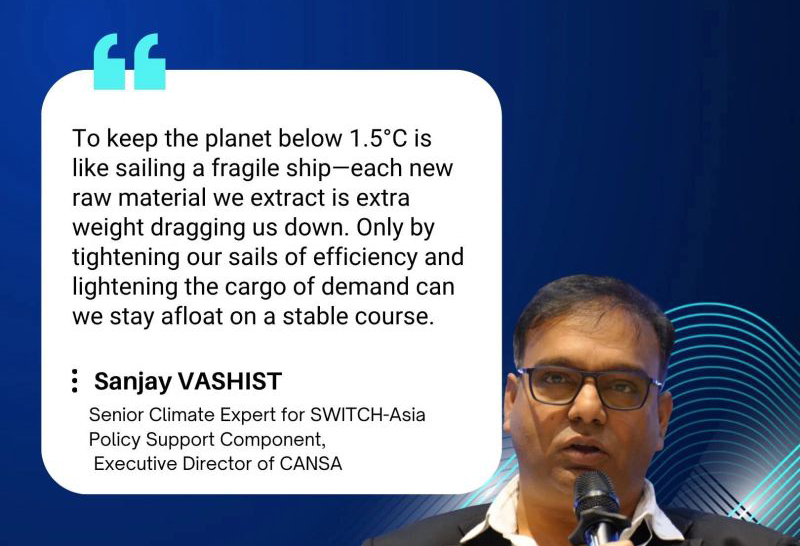
As we stand amidst the urgent realities of climate change, it’s increasingly clear that our existing pathways are insufficient. The latest reports remind us that we remain far from meeting the Paris Agreement’s critical goal of limiting global warming to 1.5°C. The UN Secretary-General recently issued a stark warning: “Overshooting is now inevitable.”
By Dr. Sanjay Vashist
South Asia’s vulnerability to climate change was tragically illustrated by the catastrophic flash floods that struck Uttarkashi, Uttarakhand, on August 5, when a sudden and powerful surge of water and debris tore through the village of Dharali and surrounding areas, leaving at least four people dead and over 100 missing. Homes, shops, hotels, and critical infrastructure were swept away in minutes, and the bustling market was left in ruins.
By Nakul Sharma
As the climate crisis worsens, the world watches closely for new leadership, especially from the Global South, where impacts are often most severe and voices have historically been underrepresented. The 2025 BRICS Summit, held in Rio de Janeiro, reached a pivotal moment.
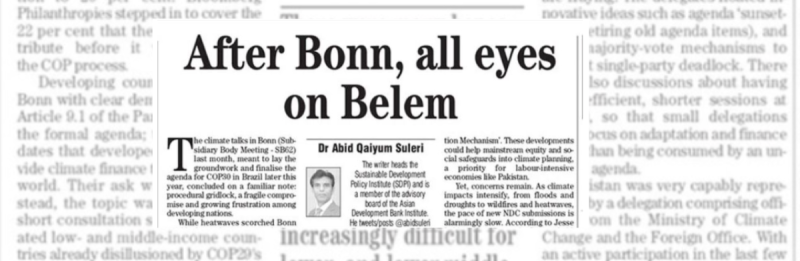
By Dr Abid Suleri
Five years ago, I stepped into the climate space not as a policy expert, but as a young activist trying to make sense of the chaos unfolding around me. South Asia’s disappearing forests, melting glaciers, and rising seas were alarming to me. I arrived full of urgency, at my first international climate meeting
By Divyanshi Yadav
Five years ago, I stepped into the climate space not as a policy expert, but as a young activist trying to make sense of the chaos unfolding around me. South Asia’s disappearing forests, melting glaciers, and rising seas were alarming to me. I arrived full of urgency, at my first international climate meeting—the UNFCCC Subsidiary Bodies (SB) session in Bonn, driven by the smog I had grown up with and the seasonal floods that had started to feel less like disasters and more like routines.
By Nakul Sharma
The World Economic Outlook projects global growth at 3.3 percent, butbut the IMF -projection of India’s expected GDP growth at 6.,5 percent allows it to maintain the status of fastest growing major economy in FY 25-26 as well. The economic growth figures might look attractive and mislead you in to believing that the Indian economy is fine, but the risks are almost certain. One such risk is the economic cost of “climate change.” The 2022-23 RBI report suggests that up to 4.5 percent of India’s GDP could be at risk by 2030 due to extreme heat.
By Purnima Joshi
As COP29 approaches, CANSA brought together climate experts across South Asia to voice their expectations for a finance goal that meets their urgent climate realities. The two pre-COP webinars facilitated by Santosh Patnaik of CANSA (Climate Action Network South Asia), had regional voices who emphasized that this year’s COP must bring real commitments for transformative climate finance, resilience, and a just transition.